Am I Romanticizing the Digital Nomad Lifestyle? A Reality Check
By: Evgeny Padezhnov
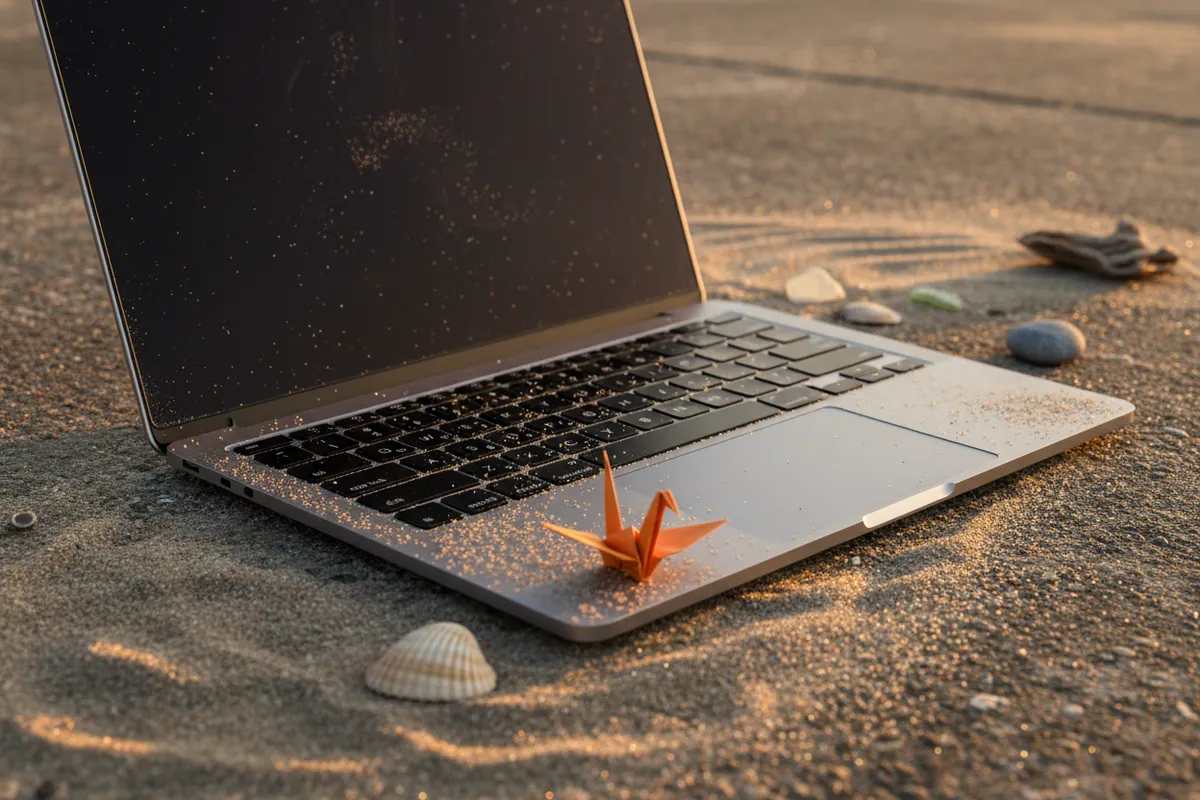
The laptop-on-the-beach photo gets thousands of likes. The reality behind it: an overheating CPU, sand in the keyboard, and zero productive work done.
Digital nomad content sells a fantasy. Freedom, sunsets, cheap living. But the gap between the Instagram version and the lived experience is significant. Before quitting a lease and buying a one-way ticket, the uncomfortable parts deserve equal airtime.
The Beach Office Does Not Exist
The most persistent myth in digital nomad culture is the beach workspace. Find A Way Abroad puts it bluntly: "Sand in your keyboard, glare on your screen, and an overheating CPU makes for a pretty unproductive work day." Laptops overheat in tropical humidity. Screens wash out in direct sunlight. WiFi does not reach the shoreline.
Key point: the workspace requirement separates digital nomads from backpackers. Accommodation standards jump sharply when a reliable desk, stable internet, and a quiet room become non-negotiable. Budget hostels rarely cut it.
How picky a nomad gets about workspaces depends on the type of work and the daily hours required. A writer doing three hours a day has different needs than a developer on eight-hour standups. The workspace question alone filters out most "cheap paradise" destinations.
Productivity Takes a Hit
Changing cities every few weeks means rebuilding routines from scratch. Finding a grocery store takes longer abroad. Locating a decent cafe with WiFi takes a full morning. Even buying milk becomes a project, as noted by The Professional Hobo.
Common mistake: assuming travel and deep work coexist naturally. They do not. Productivity dips are normal for new digital nomads. Constantly changing environments disrupt focus, sleep, and energy levels. Tested in production — most nomads report their worst output happens in the first three months.
One experienced nomad traveled at a "feverish pace" for a single year. The result: six months in a "near-comatose state" in New Zealand to recover. Compare that to another nomad who sustained eleven years — but only through deliberate slow travel with long-term home bases. Speed kills productivity.
The Money Problem Nobody Posts About
Freelance income is seasonal. Justyn Jen describes the pattern clearly: work "usually dries up in the summer when people are spending more money to travel." Winter months subsidize summer months. Without planning for that cycle, nomads burn through savings fast.
In practice, financial stability as a nomad requires:
- An emergency fund covering 3–6 months of living expenses
- Awareness of seasonal income patterns in freelance markets
- Discipline to save extra during high-earning months
The "low cost of living" selling point also has caveats. Cheap rent in Southeast Asia does not offset expensive flights home, coworking memberships, travel insurance, and the premium paid for reliable internet. The math is less favorable than lifestyle blogs suggest.
The Hidden Emotional Cost
Digital nomad content rarely shows the packing. The constant state of packing, unpacking, and living out of a suitcase is a daily reality that never makes social media. It sounds minor. Over months, it compounds into decision fatigue and rootlessness.
In plain terms: the lifestyle demands comfort with instability. No permanent address. No consistent friend group. No routine that lasts more than a few weeks. For some personality types, that is energizing. For others, it is quietly corrosive.
Try it: before committing fully, do a one-month test in a single city. Work regular hours. Skip the tourist activities on weekdays. See how the mundane version of the lifestyle feels — not the vacation version.
The Privilege Factor
The digital nomad path comes with significant privilege. A strong passport, savings buffer, English fluency, and remote-friendly skills are prerequisites that most discussions skip. Cassie the Hag acknowledges directly that the lifestyle "comes with a lot of privilege" and affects people differently based on health conditions, neurodivergence, and economic background.
Reliable internet access is "one of the biggest factors" in choosing destinations. That constraint eliminates most of the photogenic locations featured in nomad content. The cheapest countries often have the worst connectivity. The best-connected cities are rarely the cheapest.
So Is It Worth It?
Romanticizing means ignoring the trade-offs. The lifestyle is real and viable — but only when approached with open eyes. The honest version: it is a logistics-heavy, sometimes lonely way to live that occasionally delivers extraordinary experiences between stretches of ordinary remote work in slightly warmer weather.
One perspective worth keeping: "Even when digital nomad living is really hard — we'll still look back and be proud of what we did." That sentiment holds up. But pride and enjoyment are different things. Not every proud decision was a comfortable one.
Key point: the question is not whether the lifestyle is good or bad. The question is whether the specific trade-offs match specific priorities. Freedom versus stability. Novelty versus depth. Flexibility versus belonging.
If it works — it is correct. But test it honestly before selling everything.
Frequently Asked Questions
How do you build genuine friendships when you're constantly moving to new destinations?
Short stays make deep friendships nearly impossible. Slow travel — staying two to three months minimum — allows relationships to develop past the surface level. Coworking spaces and local communities help, but frequent movers mostly collect acquaintances.
How accessible is the digital nomad lifestyle if you don't have significant savings or a high income?
It requires more financial runway than most content suggests. A 3–6 month emergency fund is the baseline recommendation. Seasonal freelance income drops mean saving aggressively during peak months. Without a stable remote salary or substantial savings, the lifestyle becomes stressful rather than freeing.
Can you balance intense 24/7 time with your partner without damaging the relationship?
Sharing a small apartment abroad with no separate social circles or personal space amplifies every friction point. Establishing individual routines, separate workspaces, and solo time is essential. Couples who skip those boundaries report burnout within months.
Information is accurate as of the publication date. Terms, prices, and regulations may change — verify with relevant professionals.