Stop Blaming Yourself for Low Productivity — Your Apartment Might Be the Problem
By: Evgeny Padezhnov
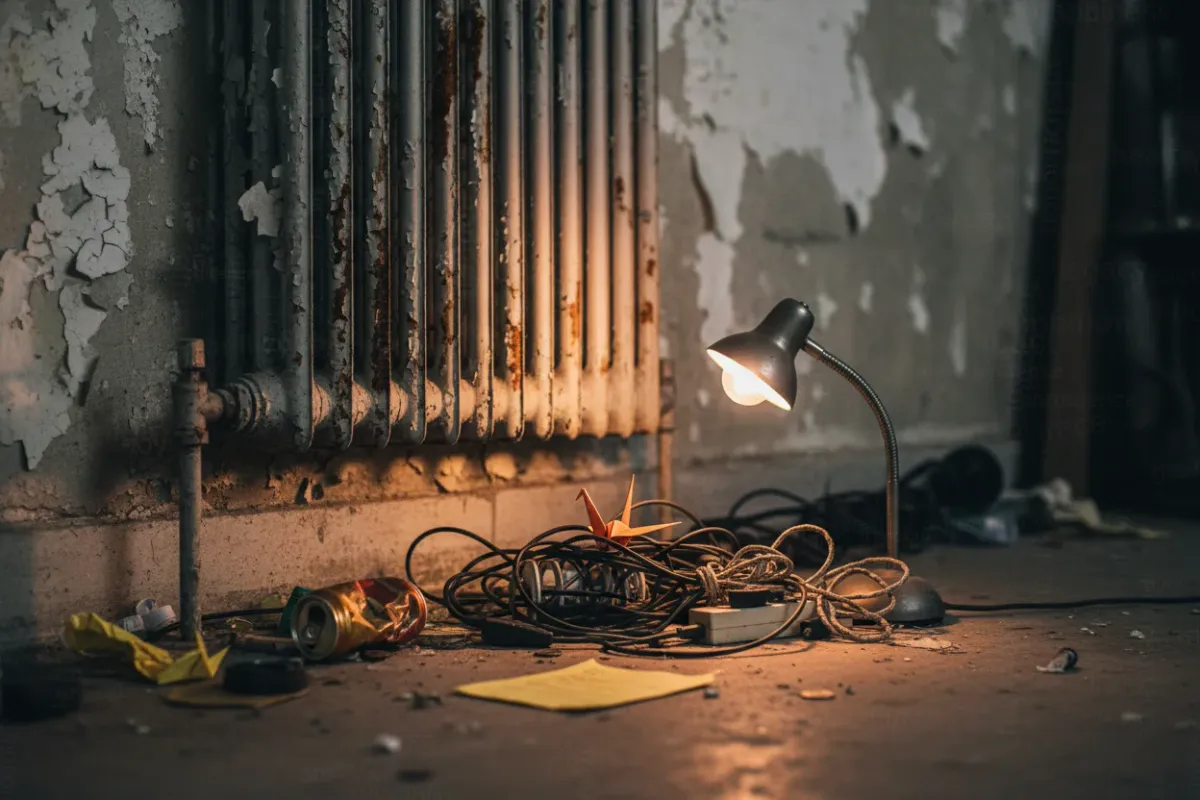
A developer spends weeks fighting procrastination. Tries Pomodoro. Tries blocking apps. Tries discipline. Nothing sticks. Then rearranges the desk, fixes the lighting, and cleans up the clutter. Suddenly, focus returns. The problem was never discipline. It was the room.
This pattern repeats constantly among remote workers and freelancers. The instinct is to blame willpower. In practice, the physical environment does most of the heavy lifting for concentration — or destroys it silently.
The Room Affects the Brain Directly
Research published in Nature found that physical living environments correlate with distinct groups of anxiety, emotional instability, and affective symptoms. The mechanism is not abstract. Environmental factors physically alter neural pathways related to cognitive function, mood regulation, and stress, according to Verywell Mind.
Key point: a cluttered, dark, noisy apartment is not just "uncomfortable." It changes how the brain processes information.
A study from Cornell University found that when office temperatures dropped to 68°F (20°C), employees made 44% more mistakes compared to a comfortable 77°F (25°C). Temperature alone — not motivation, not task complexity — nearly doubled the error rate.
In plain terms: the apartment is not a neutral container. It is an active participant in every work session.
Clutter Is Not an Aesthetic Problem
A cluttered desk forces the brain to constantly scan for relevant information. This background processing drains cognitive resources before any real work begins. Studies on household chaos confirm that disordered environments increase cortisol and stress levels.
Common mistake: thinking clutter only matters if it is "really bad." Even moderate visual noise reduces focus. One developer at Fullstack Labs described closing all unnecessary windows and keeping only essential tools on a single monitor — and noticed a measurable improvement in daily output.
The fix does not require minimalism. Sweeping loose items into a drawer or off to one side of the desk already clears the visual field enough to help. The goal is reducing what the eyes passively process while working.
Lighting Changes Everything
Natural light regulates circadian rhythms, boosts mood, and reduces eye strain. Working in a dim room or under harsh fluorescent tubes creates fatigue that feels like laziness — but is purely physiological.
One study found a 15% productivity increase in offices that added plants near workstations. The plants helped partly because they brought workers closer to windows and natural light.
Tested in production: positioning a desk perpendicular to a window (not facing it, not with back to it) reduces glare on the monitor while maximizing ambient daylight. A simple desk lamp with warm white light (3000-4000K) fills the gap after sunset.
If the apartment has small windows or faces north, a daylight-spectrum LED panel (5000K+) on the desk makes a noticeable difference within days.
The Bedroom Is Not an Office
Working from bed or from a desk in the bedroom blurs the line between rest and work. The brain stops associating the bedroom with sleep. The result: worse focus during the day, worse sleep at night.
Experts consistently recommend against placing a home office in the bedroom. If the apartment is a studio or one-bedroom, even a symbolic boundary helps. A room divider, a bookshelf, a curtain, or even a different-colored rug under the desk creates a visual cue that separates "work zone" from "living zone."
Key point: the brain needs a physical signal that work has started — and that work has ended. Without it, both productivity and recovery suffer.
Temperature and Air Quality
Most apartments default to whatever temperature the building provides. Few remote workers actively manage it. Yet the Cornell data is hard to ignore: 44% more errors at 68°F versus 77°F.
The comfortable range for focused knowledge work sits between 72°F and 77°F (22-25°C). A small space heater or fan costs less than a lost afternoon of productivity.
Air quality matters too. Stuffy rooms with no ventilation increase CO2 levels. At around 1000 ppm, cognitive function starts to drop. Opening a window for 10 minutes every two hours is the cheapest productivity tool available.
Noise: The Invisible Drain
A review in the Academy of Management Journal confirmed that ambient conditions — including noise — independently affect motivation and work processes. Intermittent noise (neighbors, traffic, construction) is worse than constant background noise because it triggers the brain's threat detection system each time.
Practical options ranked by effectiveness:
- Closed door — obvious but often overlooked in shared apartments
- Over-ear headphones with ANC — active noise cancellation handles low-frequency rumble well
- Brown noise or white noise generator — masks irregular sounds with a consistent audio floor
- Earplugs under headphones — the nuclear option for deadline days
Common mistake: playing music with lyrics while coding. Lyrics activate language processing areas that compete with reading and writing code. Instrumental music or ambient sound works. Podcasts do not.
The Five-Fix Checklist
Not every apartment needs a full renovation. Five changes cover 80% of the environmental drag on productivity:
- Declutter the desk surface. Remove everything not needed for the current task. Takes five minutes.
- Fix the light. Move the desk near a window or add a daylight-spectrum lamp. Under $30.
- Set the temperature. Aim for 72-77°F. A $20 thermometer removes the guesswork.
- Separate work from rest. Any physical boundary between the workspace and living space. Even a plant on the edge of the desk.
- Control sound. Close the door, get noise-cancelling headphones, or run a white noise app.
Why Self-Blame Is the Wrong Diagnosis
Productivity advice overwhelmingly focuses on habits, systems, and mindset. These matter. But they assume a baseline environment that supports focus. Working in a dark, cluttered, noisy, cold apartment and then blaming personal discipline is like running a race in broken shoes and blaming fitness.
If it works — it is correct. Nobody needs a perfectly optimized workspace. The goal is removing the environmental friction that masquerades as personal failure.
Try it: change one physical element of the workspace today. Just one. Track focus for a week. The results tend to speak for themselves.
Information is accurate as of the publication date. Terms, prices, and regulations may change — verify with relevant professionals.