Burned Out Nomad? Where to Spend a Year Doing Nothing
By: Evgeny Padezhnov
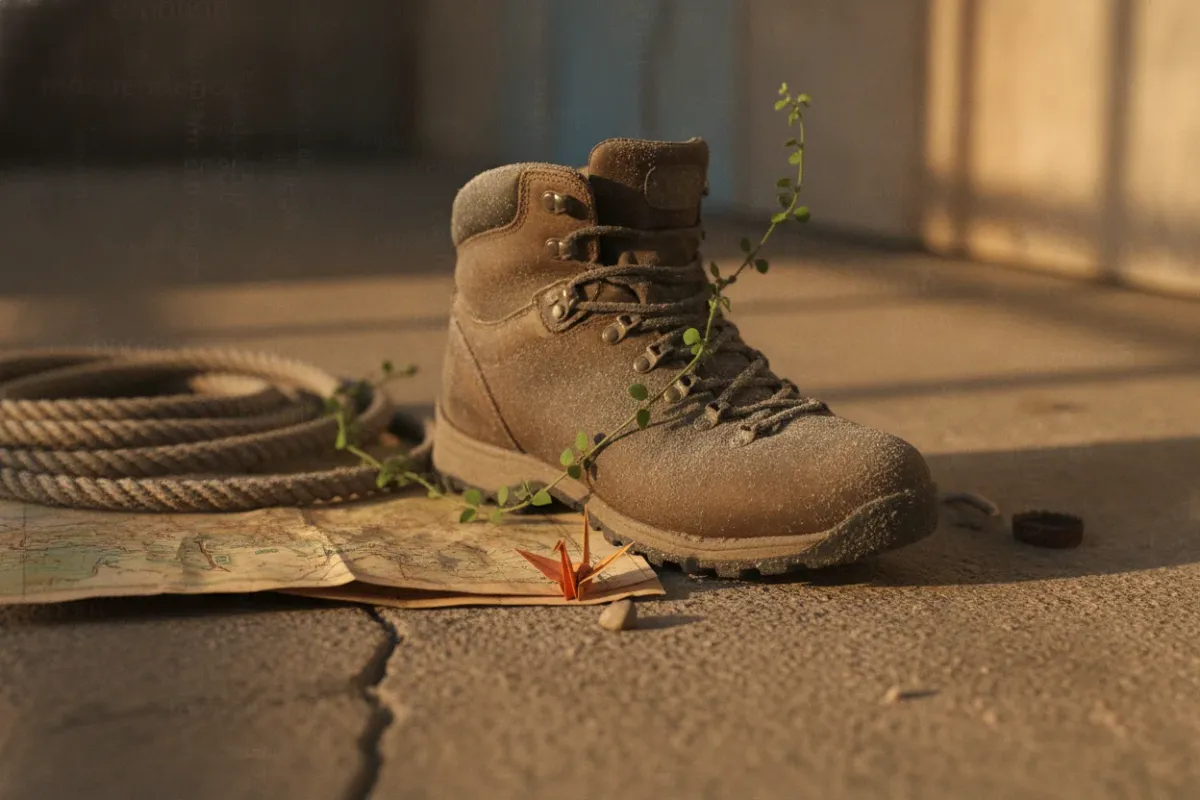
Constant movement stops feeling like freedom at some point. It starts to feel like a second job.
Many long-term nomads reach the same place. The laptop opens in a new city every few weeks. Visa dates, apartment hunts and Wi-Fi checks eat the energy that travel was supposed to restore. Then comes the question: what if the next year had no itinerary at all?
A year of "nothing" is not really nothing. It means one base, low fixed costs, a predictable routine and very few decisions. The destination matters less than those four conditions. But some cities make them much easier to meet.
What a Year of "Nothing" Actually Requires
Burnout recovery and tourism pull in opposite directions. Tourism rewards novelty. Recovery rewards repetition.
The slow travel movement describes the shift well. According to Integrated Spine, Pain & Wellness, slow travel means dropping the "checklist mentality." Quality beats quantity. The traveler stays longer in one place and engages with local people, culture and environment. The same source notes that more travelers now pick slower, intentional trips focused on rest, reflection and rejuvenation.
In plain terms: the goal is to stop optimizing.
For a full year in one base, five criteria do most of the work:
- Low monthly burn. Cheap rent removes the pressure to keep earning at full speed.
- A calm daily rhythm. Crowds and noise work against recovery.
- Nature within reach. Trails, a coast, hills or water.
- Reliable internet. Even a year off usually includes some admin, banking and calls home.
- A realistic legal path to stay. A great city is useless if the visa forces a border run every few months.
Key point: the fifth criterion eliminates more options than the other four combined. Check it first.
The Shortlist: Cities Built for Staying Put
The sources below mostly rank cities for working nomads. A recovery year needs a different filter. So each option is judged on calm, cost and staying power, not on coworking density.
Chiang Mai, Thailand: The Default Answer for a Reason
Chiang Mai tops several lists. The Roaming Renegades ranks it number one. The author cites mountain surroundings, a chilled-out vibe, charming architecture and affordable rent. They also mention fast internet and good accommodation.
The cost figures support that. According to Goats On The Road, apartments start around $200 per month. Street food meals cost under $2. Coworking spaces such as Punspace and Hub 53 exist if work creeps back in.
Why it fits a year off:
- Rent low enough that savings stretch for months.
- Mountains nearby, which suits walking and quiet days.
- An established nomad scene, so social contact is optional but available.
The downside is the same popularity. A large nomad community can pull a tired person back into hustle conversations. Some people find that draining.
Da Nang and Ho Chi Minh City, Vietnam: Cheapest Overall
The Roaming Renegades names Vietnam the cheapest country for digital nomads. It also calls the quality of life high for people working online. Da Nang appears on its top list.
Goats On The Road gives concrete prices for Ho Chi Minh City. Local eatery meals cost $1 to $3. Grab rides cost a few dollars.
For recovery, the choice between the two cities is about intensity. Ho Chi Minh City is a large, busy metro. Da Nang is on the list of best destinations and sits on the coast. A burned-out person usually does better with less stimulation, so the coastal option deserves the first look.
Budapest and Hungary's Smaller Cities: The Thermal Bath Option
Europe rarely wins on price. Hungary is an exception.
According to Workaway, Hungary combines a rich culture with a low cost of living. Budapest has over 100 bath houses built around thermal hot springs. The country is also home to the largest lake in central Europe.
That detail matters more than it looks. A year of "nothing" needs cheap, repeatable rituals. A weekly thermal bath is exactly that kind of ritual.
Workaway also lists pricing for coworking in Budapest. Impact Hub costs about 15,000 HUF (roughly $40) for 20 hours a month. Unlimited access runs about 54,000 HUF (roughly $150).
For a quieter pace, the same source points to Debrecen and Szeged. It also counts over 90 digital-nomad-friendly hosts in Hungary. Hosting arrangements like these can reduce rent and add structure without a full-time job.
Common mistake: picking the capital by default. For recovery, a smaller city with the same country's advantages is often the better base.
Tbilisi, Georgia: Strong Internet, Compact Capital
Georgia shows up on two separate lists. The Roaming Renegades includes Tbilisi among the best destinations. Cheapest Destinations Blog adds hard connectivity data.
According to that source, most expats in Georgia live in Tbilisi. Fixed broadband averages 42 Mbps. Mobile broadband ranks in the global top 10 at 142 Mbps.
In practice, that means a mobile plan alone can cover most needs. Fewer setup steps means fewer decisions in the first exhausted weeks.
Oaxaca, Mexico: Culture Without the Mega-City
Oaxaca stands out for a slower year. A YouTube roundup of cheap nomad destinations describes a low cost of living and fast internet. The historic center has bars, restaurants, galleries, gyms and yoga studios. Outdoor markets include Mercado De La Merced and Central De Abastos.
The surroundings suit unhurried weekends:
- The ruins of Monte Albán, with a 360-degree viewing platform.
- Santiago Matatlán, known as the capital of mezcal.
- Puerto Escondido for beach time.
Mexico overall has shifted. Cheapest Destinations Blog says nomads arrived by the thousands after the pandemic began. Some estimates place close to two million foreigners in the country. Most of them are retirees and snowbirds. For a burned-out nomad, a retiree-heavy expat base may actually be a calmer crowd.
Medellín, Bogotá and Cali, Colombia: Check the Current Prices
Medellín carries the nickname "The City of Eternal Spring," per Workaway. Mild weather all year removes one more variable.
The price data conflicts, and that conflict is useful. Workaway cites around $285 for a central one-bedroom. Goats On The Road lists $400 to $600 monthly in Laureles or El Poblado. Local meals there run about $5. The YouTube roundup states directly that Medellín prices have gone up in recent years.
So the cheap Medellín many people remember may be gone, at least in popular neighborhoods.
The same video points to alternatives:
- Bogotá. The video states 83% of nomads like it for affordability, community and solid internet. The trade-offs are cold weather, especially in winter, and safety concerns.
- Cali. A Colombia-based contact in the video says living in Cali or Bogotá saves a lot of money. The main downside is a smaller expat and nomad community.
For a year of rest, a small community is not always a downside. Fewer meetups mean fewer reasons to perform productivity.
Buenos Aires, Argentina: Healthcare as a Factor
Health matters more when the reason for the trip is exhaustion. Cheapest Destinations Blog says Buenos Aires attracted expats with almost-free healthcare. The subway was one of the cheapest in the world. The source also mentions a relaxed approach to tourist visa limits.
On cost, Argentina is currently cheaper than Spain but a bit more expensive than Mexico overall. Rent remains lower than in both.
The YouTube roundup adds community support. Nomads BA has welcomed nomads, startups and remote workers since 2020.
Argentina's economy moves fast. Any price figure should be treated as a snapshot and checked before signing a lease.
Quick Comparison
| City | Rent / cost signal | Recovery strength | Watch out for |
|---|---|---|---|
| Chiang Mai | Apartments from ~$200/mo, meals under $2 | Mountains, calm pace | Busy nomad scene |
| Ho Chi Minh City / Da Nang | Meals $1–3 (HCMC) | Lowest overall costs | HCMC intensity |
| Budapest / Debrecen / Szeged | Coworking $40–150/mo | 100+ thermal baths | Capital vs. smaller city |
| Tbilisi | Not specified in sources | 142 Mbps mobile | Research visa and rent locally |
| Oaxaca | Low cost of living | Markets, ruins, nearby beach | Verify current rents |
| Medellín | $285–600/mo depending on area | Mild climate all year | Rising prices |
| Bogotá / Cali | Lower than Medellín | Quiet, affordable | Cold (Bogotá), safety, small community |
| Buenos Aires | Rent below Spain and Mexico | Near-free healthcare | Volatile prices |
Cheapest Destinations Blog also lists other value picks. In Europe: Romania, Bosnia, Montenegro, Slovakia, Hungary and Turkey. In Asia: Malaysia, Laos and Cambodia. In the Americas: Guatemala, Ecuador, Peru and Brazil.
One notable exclusion: Indonesia. The same source calls it a bargain but says its visa policy is a huge hurdle. Bali appears on popular lists, yet a full uninterrupted year there is hard to arrange. For short stays it works. Goats On The Road describes a two-month base in Kuta Beach with weekend trips across the island. Two months is not twelve.
How to Structure a Year That Actually Restores Energy
Location solves maybe half the problem. The other half is daily structure. Burnout often follows a person to a new country.
Keep the Day Almost Empty
Pacific Sky Recovery recommends one or two activities per day. The rest stays open. It also suggests quieter destinations, such as national parks, smaller towns or beachside retreats, for people triggered by crowds.
For a year-long stay, that rule scales down further. One planned thing per day is enough. Some days need zero.
Anchor a Few Routines
The same source lists routines worth protecting:
- Medication at the same time every day.
- A consistent sleep and wake time.
- A few minutes daily for mindfulness, journaling or deep breathing.
It also suggests a "comfort kit." Items include headphones with calming playlists, a journal, essential oils, stress balls, needed medications and a favorite tea or snack. For a long stay, the kit becomes part of the apartment.
Move Gently, Outdoors
Several sources converge here. Integrated Spine, Pain & Wellness says time in nature reduces stress and improves mood. Simple acts count, like walking barefoot on a beach or hiking in a forest. Ramona Magazine highlights gentle movement, fresh air, local trails and quiet coastal towns.
Brainz Magazine adds small-scale habits: stop in small towns, use local businesses, pick alternate routes. Applied to a single base, that means exploring the same region slowly rather than flying to new countries.
Set a Hard Rule on Work
The biggest risk is not the destination. It is the laptop.
A working rule helps. Pick a fixed number of paid hours per week, or zero. Keep work out of the bedroom. Skip coworking memberships during the first months. A coworking space is a social signal to perform.
Common mistake: treating a cheap city as a chance to take on more clients. Lower costs should buy fewer hours, not more margin.
What Does Not Work
Honest failure modes matter as much as recommendations.
- Choosing by ranking alone. Most lists rank cities for productive nomads. Coworking density and meetup counts are irrelevant for rest.
- Trusting old price data. The Medellín spread, from $285 to $600, shows how fast numbers change.
- Ignoring visas. Indonesia shows that a cheap, beautiful place can still be a poor one-year base.
- Recreating the old schedule. A new city with the same 60-hour week produces the same burnout.
- Staying in the loudest district. Popular nomad neighborhoods tend to be the most expensive and the least restful.
Frequently Asked Questions
How do I stop working all day when I can work from anywhere?
Separate work physically and on the calendar. Set fixed hours, keep work out of living spaces and postpone coworking memberships. Lower living costs in cities like Chiang Mai make fewer paid hours financially realistic.
Should I prioritize comfort over budget when choosing where to stay?
For a recovery year, yes, within limits. A quiet private apartment outside the busiest district is worth more than a cheaper shared space. The savings from low-cost cities should fund comfort, not extra travel.
How do I transition from constant travel to staying in one place?
Start with a medium lease and extend it if the city fits. Repeat the same places weekly: one market, one café, one trail. Slow travel sources stress local businesses and deep engagement, which is how real connections form.
What if travel isn't about collecting places?
That is the core idea of slow travel. Integrated Spine, Pain & Wellness frames it as quality over quantity. A year in one base is the most extreme and often the most restorative version of it.
What to Try Right Now
Try it: pick three cities from the table above. For each, check two things only: the legal maximum stay for your passport and current one-bedroom rent in a quiet neighborhood. Discard any city that fails either test. The remaining one or two are the real shortlist.
Information is accurate as of the publication date. Terms, prices, and regulations may change — verify with relevant professionals.